ՀԱՆՆԻԲԱԼԻ ՊԱՏԵՐԱԶՄԻ ՓՂԵՐԻՑ ՄԵԿԻ ՀՈՒՅՍ ԱՅՑԵԼՈՒԹՅՈՒՆԸ ԻՍՊԱՆԻԱՅՈՒՄ
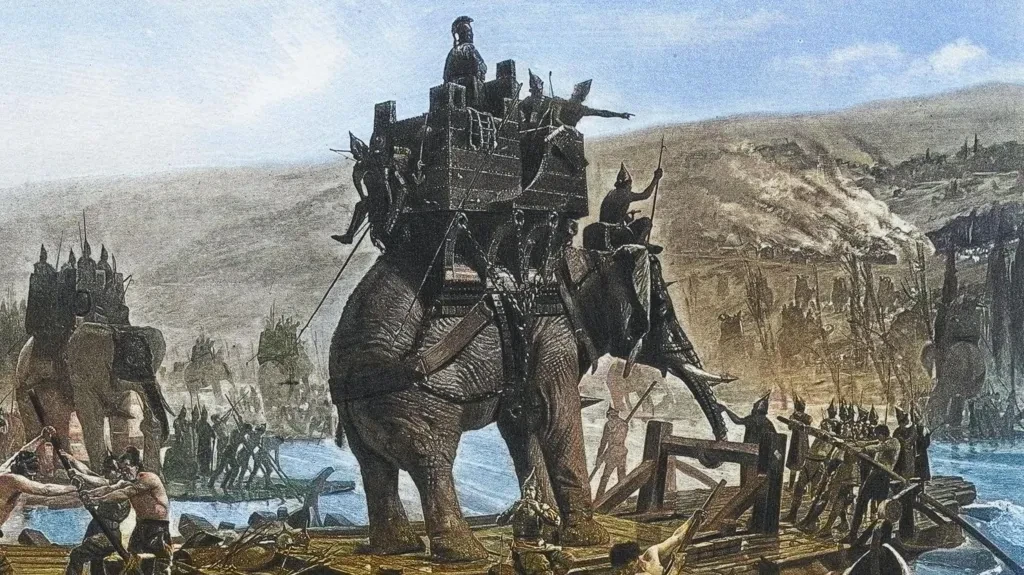
Ահա հոդվածը թարգմանության համար: վերնագիր՝ [ Ancient bone found in Spain could be Hannibal's war elephants] Տեքստ` [ An elephant foot bone found by archaeologists digging in southern Spain may be evidence that a troop of war elephants stomped through ancient Europe. It would be the first concrete proof of the legendary Carthaginian General Hannibal's troop of battle elephants, according to academics. Drawings of Hannibal's war against the Romans had long suggested that the beasts were used in fighting, but no hard evidence backed up the theories. Now the creatures' skeletal remains appear to have been found in an Iron Age dig near Cordoba. "Beyond ivory, the discovery of elephant remains in European archaeological contexts is exceptionally rare," says the team of scientists in a paper published in Journal of Archaeological Science: Reports. Often considered one of the most successful military commanders ever, Hannibal led his army from the powerful imperial city Carthage, in modern day Tunisia, into Europe. He fought three wars, known as the Punic wars, in 264-146 BCE as he battled to control the Mediterranean. It is thought he took soldiers and animals from Carthage through Spain and France to invade Italy, crossing the Alps with 37 elephants in 218 BCE. The remains found in Spain are presumed to be from an animal that died before reaching the Alps. The archaeologists, led by Professor Rafael M. Martínez Sánchez, found the elephant's bone beneath a collapsed wall on a site called Colina de los Quemados. They used carbon dating techniques to estimate the age of the 10cm cube-shaped bone. The result led them to believe it is from the Second Punic War between the late third and early second Century BCE. They also compared the bone of modern eleph
ants and steppe mammoths to determine which animal it came from. The team found artillery, coins and ceramics during the excavations in 2020, providing more clues that the place was the site of a battle. "As non-native species and the largest living terrestrial animals, these imported beasts would have required transportation by ship," the academics said. They say that it is very unlikely that dead animals were transported, and the bones are unattractive suggesting they were not decorative or used in craft. But the scientists say it will be very challenging to work out which species of elephant the creature was. "While [the bone] would not represent one of the mythical specimens Hannibal took across the Alps, it could potentially embody the first known relic − so sought after by European scholars of the Modern Age − of the animals used in the Punic Roman wars for the control of the Mediterranean," the scientists conclude in their paper. ] ՀԱՆՆԻԲԱԼԻ ՊԱՏԵՐԱԶՄԻ ՓՂԵՐԻՑ ՄԵԿԻ ՀՈՒՅՍ ԱՅՑԵԼՈՒԹՅՈՒՆԸ ԻՍՊԱՆԻԱՅՈՒՄ Հարավային Իսպանիայում հնագետների կողմից հայտնաբերված փղի ոտնաթաթի ոսկորը կարող է առաջին անգամ հաստատել, որ Հաննիբալի պատերազմական փղերը իսկապես ոտք դրել են Եվրոպայի հողին: Այս գտածոն համարվում է առաջին կոնկրետ ապացույցը, որ լեգենդար կարթագենացի զորավար Հաննիբալը իր բանակի հետ Եվրոպա է բերել մարտական փղեր: Մինչ այժմ նրա փղերի մասին տեղեկությունները հիմնված էին միայն հին նկարազարդումների և գրավոր աղբյուրների վրա՝ առանց նյութական հաստատման: Հայտնաբերված ոսկորը գտնվել է Կորդոբայի մոտակայքում՝ Երկաթի դարի շերտերում: Հետազոտողները Journal of Archaeological Science: Reports ամսագրում հրապարակված հոդվածում նշում են, որ «Եվրոպայում փղի մնացորդների հայտնաբերումը (զարդերի կամ փղի ոսկորից պատրաստված իրերից դուրս) չափազանց հազվադեպ է»: Հաննիբալը՝ համարվելով պատմության ամենանշանավոր զորավարներից մեկը, մ.թ.ա. 218 թվականին իր բանակով՝ ներառյալ 37 փիղ, անցել է Պիրենեյները, Ֆրանսիան և Ալպերը՝ ներխուժելու Հռոմի տարածք: Իսպանիայում գտնված ոսկորը, ամենայն հավանականությամբ, պատկանում է այն փղերից մեկին, որը մահացել է դեռ Ալպեր հասնելուց առաջ: Հնագետների խումբը՝ Ռաֆայել Մ. Մարտինես Սանչեսի գլխավորությամբ, ոսկորը հայտնաբերել է Colina de los Quemados կոչվող վայրում՝ փլված պատի տակ: Ածխածնային թվագրման միջոցով պարզվել է, որ 10 սմ չափի խորանարդաձև ոսկորը թվագրվում է մ.թ.ա. III դարի վերջին – II դարի սկզբին, այսինքն՝ Երկրորդ Պունական պատերազմի ժամանակաշրջանին: Հետազոտողները համեմատել են այն ժամանակակից փղերի և ստեպային մամոնտների ոսկորների հետ՝ հաստատելու, որ այն պատկանում է փղին: Պեղումների ընթացքում (2020 թ.) նույն վայրում հայտնաբերվել են նաև զենքեր, մետաղադրամն
եր և խեցեղեն, ինչը վկայում է այնտեղ տեղի ունեցած ռազմական գործողությունների մասին: Գիտնականները նշում են, որ որպես ոչ բնիկ, հսկայական կենդանիներ՝ այդ փղերը ներմուծվել են նավերով: Մահացած կենդանիների տեղափոխումը չափազանց անհավանական է, իսկ ոսկորները չունեն դեկորատիվ կամ արհեստագործական հետքեր: Թեև դժվար է ճշտել, թե կոնկրետ որ տեսակի փիղ է եղել (Հաննիբալի փղերը, հավանաբար, հյուսիսաֆրիկյան տեսակ էին), այս գտածոն կարող է լինել առաջին հայտնի մնացորդը այն կենդանիներից, որոնք օգտագործվել են Պունական պատերազմներում՝ Միջերկրականի տիրապետման համար պայքարում: Հետազոտողները եզրակացնում են, որ այս ոսկորը, թեկուզ ոչ Ալպերն անցած «առասպելական» փղերից մեկինն է, բայց կարող է լինել այն «վաղ ժամանակակից Եվրոպայի գիտնականների կողմից այդքան փնտրված» առաջին նյութական հետքը: Թարգմանվել է ԱԲ-ի միջոցով։