ԵՎՐՈՊԱՅԻՆ ՕԴԱՆԱՎԱԿԱՅԱՆՆԵՐՈՒՄ ՍՊԱՍՄԱՆ ՀՐԱՇԱԼԻ ՏԵՂԵՐ ԵՆ ՍՊԱՍՎՈՒՄ. ՆՈՐ ՍԵՂՄԱՆԱԿԱՆ ՀԱՄԱԿԱՐԳԸ ԽԱՉՔԱՐՈՒՄ Է ՈՒՂԵՎՈՐՆԵՐԻՆ
Ահա հոդվածը թարգմանության համար: վերնագիր՝ [ Warning of long airport queues under new EU border control system] Տեքստ` [ There are warnings of queues at passport control at airports in Europe over upcoming holiday periods, as the rollout of a new biometric border system continues. Passengers have already reported hours-long waits at some destinations, at busy times, due to the new systems. A group representing airports said there was a risk of five-to-six-hour queues over the summer. However, the European Commission said it would be possible to suspend the new system at peak times until September. Videos posted on social media in the past week describe three-hour queues at Geneva airport's passport control. Geneva always gets busy during winter as skiers, Brits among them, head for the slopes. But the airport is blaming the new Entry-Exit System (EES) at border control for "congestion... particularly on Saturdays during the busy ski season". A spokesperson said implementing EES had been a "major challenge for Swiss customs and Geneva Airport". The spokesman said measures to try and make the process smoother included putting on more staff. Long waits have been reported at Tenerife, in the Canary Islands, too. Andrew Knight runs Salasti car hire at Tenerife airport. Most of his customers are from the UK. Many of those arriving for winter sunshine have got stuck in long lines of passengers trying to get through the border kiosks. Those who have arrived at quieter times have progressed through passport control quickly, but when when multiple aircraft have landed in short succession, queues have built up. Some passengers have been getting through passport control "in about 20 minutes, other people are experiencing one and a half, two-hour delays waiting to use the systems. A few times the systems have gone down, so it's really hit and miss." The digital Entry Exit System will eventually replace ink stamps on passports. It requires non-EU citizens to register fingerprints and a photo alongside having their passport scanned the first time they cross a border of the Schengen free-movement zone. This registration lasts three years. Air travellers do it upon arrival at European airports, usually with an automated machine or kiosk. The details are verified on future entries. The system is part-way through a gradual
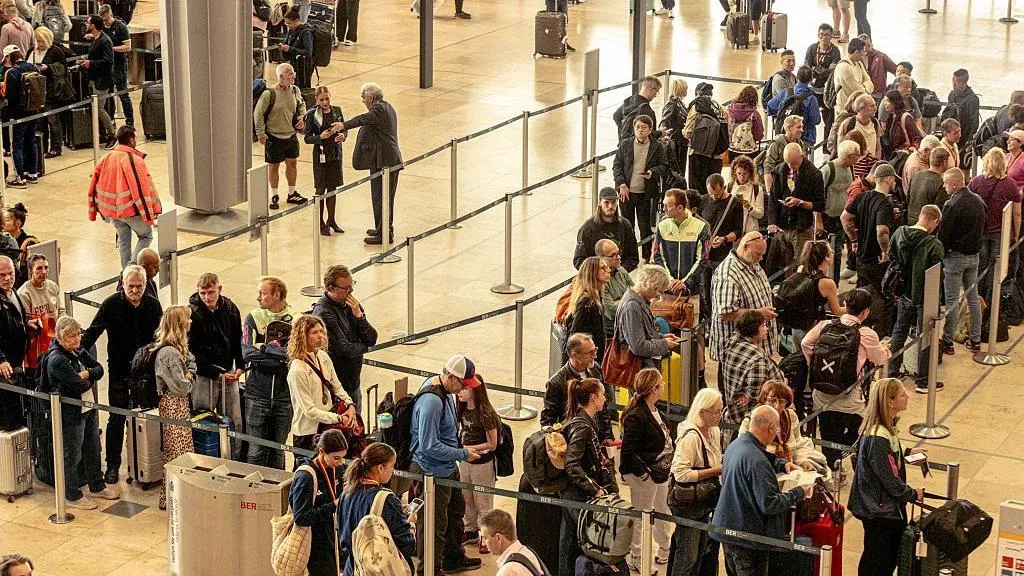
introduction period which began in October. At the moment, half of border points are meant to be operating EES, with at least a third of non-EU passengers using it. Julia Lo Bue-Said, who runs travel agent network Advantage Partnership, said "without question, the new system has created even more bottlenecks and pinch points [in places] that were already challenged." Olivier Jankovec is director general of Airports Council International Europe, which represents more than 600 airports. He told the BBC the passenger processing time at border control had increased by "four to five times" under EES, with people typically waiting up to two hours. Jankovec said problems included not enough border staff, and some machines not working. He fears the situation will worsen when large numbers of holidaymakers register over Easter and summer. Markus Lammert, European Commission Spokesperson for Internal Affairs, says 23m entries and exits have already been registered under EES, and there have been 12,000 refusals of entry. He insisted the system has operated "largely without issues", but said member states would continue to work on improvements. From 10 April, EES is meant to be in use at every border point, for every eligible passenger. However, countries can partially suspend EES operations where necessary over the summer, until September. Jankovec said this would be necessary to cope if "the situation becomes unsustainable at border control". Without it, and if issues around the equipment and border guard numbers didn't improve, he warned of five-to-six-hour waiting times. The group said close coordination was needed with border control authorities to make sure they could suspend the system "in a timely manner". On Thursday, travel association ABTA said border authorities were under-using their ability to reduce checks when necessary, and said this had led to passengers being "caught up in lengthy delays". ABTA said that as well applying the contingency measures, destinations and border authorities need to do more to plan for peak travel periods. Julia Lo Bue-Said advised people to come prepared for long waits over the February half term and beyond. "Plan for the worst", she advises, especially at peak times. "Make sure you've got some refreshments, make sure you've got something to keep [small children] occupied". ] ԵՎՐՈՊԱՅԻՆ ՕԴԱՆԱՎԱԿԱՅԱՆՆԵՐՈՒՄ ՍՊԱՍՄԱՆ ՀՐԱՇԱԼԻ ՏԵՂԵՐ ԵՆ ՍՊԱՍՎՈՒՄ. ՆՈՐ ՍԵՂՄԱՆԱԿԱՆ ՀԱՄԱԿԱՐԳԸ ԽԱՉՔԱՐՈՒՄ Է ՈՒՂԵՎՈՐՆԵՐԻՆ Եվրոպայի օդանավակայաններում առաջիկա տոների ընթացքում սպասվում են երկար հերթեր անձնագրային հսկողության մոտ, քանի որ շարունակվում է նոր կենսաչափական սահմանային համակարգի ներդրումը։ Ուղևորները արդեն բողոքում են մի քանի ժամ տևող սպասումներից՝ հատկապես զբաղված ժամերին։ Օդանավակայանների ներկայացուցիչները զգուշացնում են, որ ամռանը հնարավոր են 5-6 ժամ տևող հերթեր։ Եվրահանձնաժողովը հայտնել է, որ ամենաբարձր բեռնվածության ժամանակահատվածներում՝ մինչև սեպտեմբեր, նոր համակարգը կարող է ժամանակավորապես կասեցվել։ Վերջին օրերին սոցիալական ցանցերում տարածված տեսանյութերում երևում են Ժնևի օդանավակայանում 3 ժամ տևող հերթեր։ Ձմեռային սեզոնին Ժնևը միշտ լեփ-լեցուն է լինում դահուկորդներով, այդ թվում՝ մեծ թվով բրիտանացիներով։ Սակայն օդանավակայանը խցանումների հիմնական պատճառը համարում է նոր Entry-Exit System-ը (EES)։ Շվեյցարական մաքսային ծառայության և օդանավակայանի ներկայացուցիչը նշել է, որ համակարգի ներդրումը «լուրջ մարտահրավեր» է եղել, սակայն փորձում են մեղմել խնդիրը՝ ավելացնելով անձնակազմ։ Նմանատիպ երկար հերթեր են գրանցվել նաև Կանարյան կղզիներում՝ Տեներիֆեում։ Տեղի մեքենաների վարձակալության ընկերության ղեկավար Էնդրյու Նայթը պատմում է, որ հատկապես Մեծ Բրիտանիայից ձմեռային արևի եկած ուղևորները ժամերով սպասում են սահմանային կրպակներում։ Երբ մի քանի ինքնաթիռներ հաջորդաբար իջնում են, հերթ
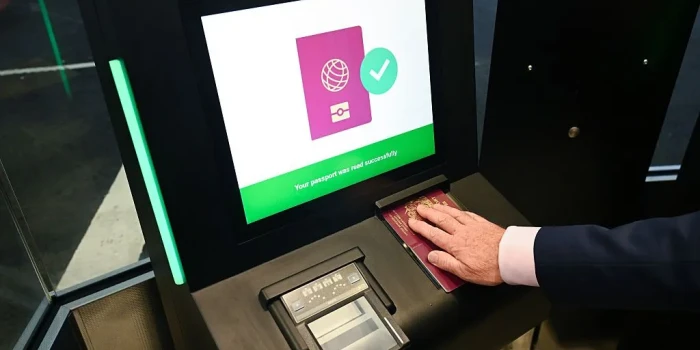
երը կտրուկ աճում են։ Ոմանք անցնում են 20 րոպեում, մյուսները սպասում են 1,5-2 ժամ, իսկ երբեմն համակարգը ընդհանրապես դադարում է աշխատել։ Entry-Exit System-ը (EES) աստիճանաբար փոխարինում է անձնագրերում դրվող թանաքային դրոշմակնիքներին։ Շենգենյան գոտի առաջին անգամ մտնող ոչ ԵՄ քաղաքացիները պետք է գրանցեն մատնահետքեր և լուսանկար՝ անձնագրի սկանավորման հետ միասին։ Այդ գրանցումը գործում է 3 տարի։ Հետագա մուտքերին տվյալները պարզապես ստուգվում են։ Համակարգի ներդրումը սկսվել է 2024 թվականի հոկտեմբերից և դեռ ընթացքի մեջ է։ Ներկայումս սահմանային կետերի կեսում է աշխատում EES-ը, և ոչ ԵՄ ուղևորների առնվազն մեկ երրորդը պետք է անցնի դրա միջոցով։ Travel Advantage Partnership ընկերության ղեկավար Ջուլիա Լո Բուե-Սաիդը նշում է, որ նոր համակարգն ավելի է խորացրել խցանումները նույնիսկ այն վայրերում, որտեղ և առանց դրա խնդիրներ կային։ Օդանավակայանների եվրոպական խորհրդի (ACI Europe) տնօրեն Օլիվյե Յանկովեցը BBC-ին հայտնել է, որ EES-ի պայմաններում սահմանային հսկողության վրա ծախսվող ժամանակը մեծացել է 4-5 անգամ, և ուղևորները հաճախ սպասում են մինչև 2 ժամ։ Նա խնդիր է համարում անձնակազմի պակասը և անսարքավորումների խափանումները։ Մեծ մտահոգություն կա, որ Զատիկի և ամառային հանգստյան օրերին իրավիճակն ավելի կվատթարանա։ Եվրահանձնաժողովի ներկայացուցիչ Մարկուս Լամերտը նշել է, որ EES-ով արդեն գրանցվել է 23 միլիոն մուտք-ելք, կան 12 000 մերժումներ, և համակարգը «հիմնականում առանց խնդիրների է աշխատել»։ Այնուամենայնիվ, անդամ երկրները շարունակում են աշխատել բարելավումների ուղղությամբ։ Ապրիլի 10-ից EES-ը պետք է գործի բոլոր սահմանային կետերում և բոլոր իրավասու ուղևորների համար։ Սակայն ամռանը՝ մինչև սեպտեմբեր, երկրները կարող են ժամանակավորապես կասեցնել համակարգը, եթե իրավիճակը դառնա անտանելի։ Օդանավակայանների ներկայացուցիչները կոչ են անում սերտ համակարգում իրականացնել սահմանապահ ծառայությունների հետ, որպեսզի կասեցումը կատարվի ժամանակին։ ABTA ճանապարհորդական ասոցիացիան էլ քննադատել է, որ սահմանապահները բավարար չափով չեն օգտագործում կասեցման հնարավորությունը, ինչը հանգեցնում է ավելորդ ու երկարաձգված ուշացումների։ Ջուլիա Լո Բուե-Սաիդը խորհուրդ է տալիս փետրվարյան կիսամյակի արձակուրդի և դրանից հետո ճանապարհորդելիս պատրաստվել ամենավատ սցենարի համար՝ «Վատթարագույնին պատրաստվեք». վերցրեք խմիչք, թեթև սնունդ և զբաղմունք փոքր երեխաների համար։ Թարգմանվել է ԱԲ-ի միջոցով։