«Վեց ամիս առանց հոսանքի». Ամերիկացի ընտանիքները պայքարում են էներգիայի երկնիշ գների դեմ

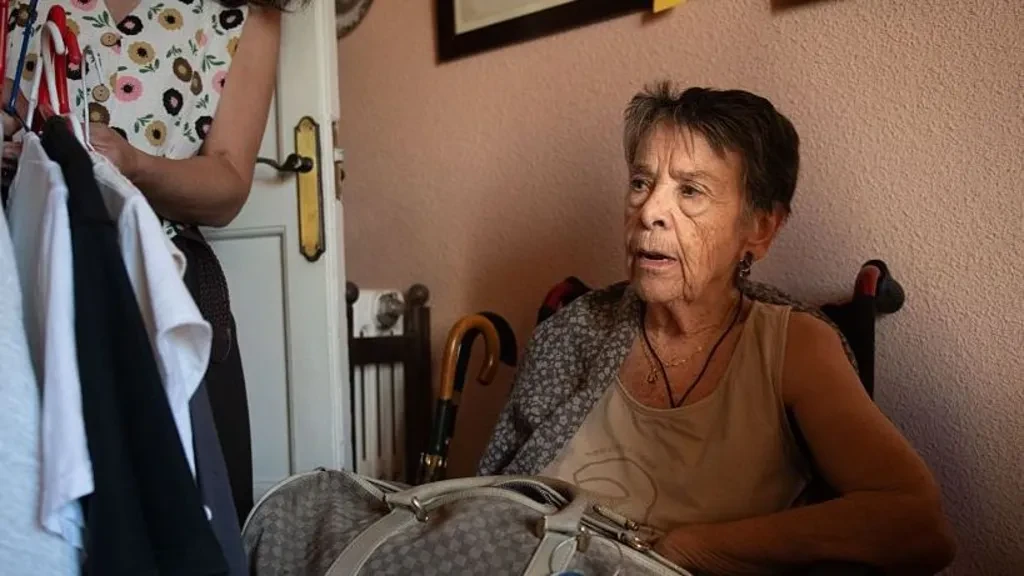
Ահա հոդվածը թարգմանության համար: վերնագիր՝ [ 'I had no electricity for six months': US families struggle with soaring energy prices] Տեքստ` [ Kristy Hallowell had just lost her job when her energy bill unexpectedly tripled to $1,800 (£1,340) a month. Unable to pay, her gas and electricity were cut off and she, her two children and her mother spent six months of last year relying on a generator to light and heat their house. The 44-year-old is one of millions of Americans who have fallen behind on their energy bills as prices have soared over the past year. The electricity is now back on at her home in Greenwood Lake, New York, after a local non-profit helped reach an agreement with the utility to accept a partial payment. But the gas is still off and electricity bills keep mounting this winter, leaving her in fear of another shut-off. She said she now had about $3,000 in utility debt. "This has been traumatic, to say the least," she said. Nearly one in 20 households in the US are at risk of having their utility debt sent to collections heading into the winter months, according to a recent report. The number of households with severely overdue utility debt rose by 3.8% in the first six months of US President Donald Trump's second term, the analysis of consumer credit data, compiled by the Century Foundation and Protect Borrowers, found. Residential energy bills have emerged as a key cost-of-living concern among US consumers, as many buckle under the weight of rising prices and sour on Trump's handling of the economy. Official economic data from November shows electricity prices rose 6.9% from the year before - much faster than overall inflation. Trump, who during his campaign said he would cut energy bills in half, has claimed that costs are falling. "Costs under the TRUMP ADMINISTRATION are tumbling down, helped greatly by gasoline and ENERGY," he posted on social media in November. The White House blames former President Joe Biden and US central bank interest rates for the lingering economic pain. But in the wake of Democratic wins in recent state and city elections, and polls showing waning consumer confidence, the Trump administration has shifted its messaging to focus on affordability, in a bid to allay voter anxiety about the cost of living in the US. At the same time, the federal government has proposed slashing the funds it gives to states to help low-income residents pay their utility bills. Experts also warn that the Trump administration's rollback of clean energy projects - including its recent decision to pause leases for offshore wind energy projects being built near the Atlantic coastline - could drive electric bills even higher. "This is going to be a huge deal, both as a policy matter and a political matter," said Alex Jacquez, chief of policy and advocacy at the Groundwork Collaborative, a progressive economic think tank. Laurie Wheelock, executive director of the Public Utility Law Project of New York, said many of her clients - low-income utility customers in New York state seeking help with their bills - have let utilities fall to the side as rent, health insurance and other costs keep getting more expensive. In 2025, the non-profit saw an increase in utility account terminations for unpaid bills, Ms Wheelock said. Before the pandemic, clients who approached the organisation typically owed $400-$900 in utility debt. Now, people often owe upwards of $6,000, she said. "There's been this difficult mix of increased costs and financial instability," she added. Winter heating costs are expected to jump 9.2% this season, according to the National Energy Assistance Directors Association, driven by rising electricity and natural gas prices and unusually cold weather. Energy bills tend to be among the highest in the northeast US, the report shows. But households from California to Georgia

to South Dakota are also feeling the strain of rising costs over the past year. There are several reasons for rising residential energy costs, analysts say. For one, the price of natural gas, which is a crucial component of nearly half of electricity generation in the US, has jumped over the past year. The natural gas industry is pushing more and more production overseas, contributing to higher domestic prices. Electricity generation was "being saddled with ever-increasing costs of fuel", said John Quigley, a senior fellow at the Kleinman Center for Energy Policy at the University of Pennsylvania. Recent shifts away from clean energy investments could also be at play. A report from the climate advocacy group Climate Power cites the Trump administration's cancellation of projects that would have produced enough electricity to power the equivalent of 13 million homes. The gutting of clean energy projects has contributed to a 13% jump in electricity bills since Trump returned to the White House, the report found, as the US increases its dependence on foreign oil. Another key factor: energy demand from the artificial intelligence boom is straining the power grid. Technology companies from Alphabet to Amazon are ramping up their investments in AI infrastructure, and data centres require massive amounts of electricity. Continued and increasing electricity demand for data centres is pushing up prices for everyone, Quigley said. Treasury Secretary Scott Bessent told ABC News in November that electricity prices were a "state problem". "There are things that the federal government can control. Local electricity prices are not one of them," he said. But some analysts argue that if the federal government were to embrace clean energy, it would help lower prices. On the state level, some lawmakers have proposed requiring large data centres to supply their own power, so families don't shoulder the costs. In Virginia, where data centres have proliferated, governor-elect Abigail Spanberger has announced plans to ensure tech companies are "paying their fair share", encouraging clean on-site and off-site generation and storage at data centres. Virginia utility regulators recently authorised a separate rate category for the biggest electricity customers, like data centres, requiring them to pay a larger share to shield other ratepayers. "You can deal in the near term with people's frustrations around prices while dealing with these long-term structural fixes," said Groundwork Collaborative's Alex Jacquez. But any relief for consumers will take time. Residential energy prices are likely to stay elevated in the coming months. Last year, Ibrahim Awadallah, 30, installed solar panels on his home in Charlotte, North Carolina in the hopes of reducing his energy costs. His plan largely worked. His electricity bills tend to be lower than his neighbours', even taking into account the $180 he pays per month on his solar panel loan. Still, in October, Awadallah noticed his bill from his utility company getting more expensive - a roughly 10% increase - even though he was out of town much of the month. A telecommunications developer has proposed building a data centre nearby in east Charlotte. Awadallah is concerned that the project, if approved, will drive up electric costs even more. "I don't think things are getting better anytime soon," he said. ] «Վեց ամիս առանց հոսանքի». Ամերիկացի ընտանիքները պայքարում են էներգիայի երկնիշ գների դեմ Ք

րիստի Հելոուելը նոր էր աշխատանքից ազատվել, երբ իր էներգիայի հաշիվն անսպասելիորեն եռապատկվեց՝ հասնելով ամսական 1800 դոլարի (մոտ 1,340 ֆունտ ստերլինգ): Վճարելու անկարողության պատճառով նրա գազն ու էլեկտրականությունը անջատեցին, և անցյալ տարի նա, երկու երեխաներն ու մայրը վեց ամիս անընդմեջ գեներատորով էին լուսավորում ու ջեռուցում իրենց տունը: 44-ամյա կինը ԱՄՆ-ի այն միլիոնավոր մարդկանցից մեկն է, ովքեր հետ են մնացել էներգիայի վճարումներից՝ վերջին տարում գների կտրուկ բարձրացման պատճառով: Նյու Յորքի Գրինվուդ Լեյք քաղաքում գտնվող նրա տանը էլեկտրականությունն այժմ վերականգնվել է. տեղական մեկ ոչ առևտրային կազմակերպություն օգնել է կողմերի միջև համաձայնություն ձեռք բերել՝ մասնակի վճարման դիմաց: Սակայն գազը դեռ անջատված է, իսկ էլեկտրաէներգիայի հաշիվները շարունակում են աճել այս ձմռանը, ինչը նրան ստիպում է վախենալ կրկին անջատումից: Ներկայումս նրա պարտքը կոմունալ ծառայությունների առջև կազմում է մոտ 3000 դոլար: «Սա, մեղմ ասած, տրավմատիկ էր», — ասում է նա: ԱՄՆ-ում գրեթե յուրաքանչյուր 20-րդ ընտանիք ձմռանը վտանգի տակ է հայտնվում՝ կոմունալ պարտքը հավաքագրող ընկերություններին փոխանցելու, վերջին զեկույցներից մեկի համաձայն: Century Foundation-ի և Protect Borrowers-ի կողմից սպառողական վարկային տվյալների վերլուծությունը ցույց է տվել, որ լուրջ ժամկետանց կոմունալ պարտք ունեցող տնային տնտեսությունների թիվը Դոնալդ Թրամփի երկրորդ նախագահության առաջին վեց ամիսներին աճել է 3.8%-ով: Բնակելի էներգիայի հաշիվները դարձել են ԱՄՆ սպառողների կյանքի ծախսերի հետ կապված հիմնական մտահոգություններից մեկը: Շատերն արդեն չեն դիմանում գների բարձրացմանը և դժգոհ են Թրամփի տնտեսական քաղաքականությունից: Նոյեմբերյան պաշտոնական տվյալներով՝ էլեկտրաէներգիայի գինը տարեկան կտրվածքով բարձրացել է 6.9%-ով՝ զգալիորեն գերազանցելով ընդհանուր գնաճը: Թրամփը, ով նախընտրական քարոզարշավի ընթացքում խոստացել էր էներգիայի հաշիվները կիսով չափ կրճատել, նոյեմբերին սոցցանցերում գրել էր, որ «ԹՐԱՄՓԻ ԱԴՄԻՆԻՍՏՐԱՑԻԱՅԻ ժամանակ ծախսերը կտրուկ նվազում են՝ հատկապես շնորհիվ բենզինի և ԷՆԵՐԳԻԱՅԻ»: Սպիտակ տունը տնտեսական դժվարությունների համար մեղադրում է նախկին նախագահ Ջո Բայդենին և Կենտրոնական բանկի տոկոսադրույքները: Սակայն վերջին տեղական և նահանգային ընտրություններում դեմոկրատների հաջողություններից ու սպառողների վստահության անկումից հետո Թրամփի վարչակազմը փոխել է հաղորդակցության ոճը՝ կենտրոնանալով կյանքի ծախսերի մատչելիության վրա: Միաժամանակ դաշնային կառավարությունը առաջարկել է կրճատել ցածր եկամուտ ունեցողներին կոմունալ վճարումներում օգնելու համար նահանգներին տրամադրվող ֆինանսավորումը: Փորձագետները զգուշացնում են, որ մաքուր էներգիայի նախագծերի հետընթացը, մասնավորապես Ատլանտյան ափին մոտակա օֆշորային հողմային էլեկտրակայանների վարձակալության դադարեցումը, կարող է էլ ավելի բարձրացնել էլեկտրաէներգիայի սակագները: «Սա և՛ քաղաքական, և՛ քաղաքականապես շատ մեծ խնդիր է դառնալու», — ասում է Groundwork Collaborative առաջադեմ տնտեսական հետազոտական կենտրոնի քաղաքականության ղեկավար Ալեքս Ջակեսը: Նյու Յորքի Հանրային կոմունալ ծառայությունների իրավական նախագծի տնօրեն Լորի Ուիլոքը նշում է, որ իր հաճախորդներից շատերը՝ ցածր եկամուտ ունեցողները, ստիպված են հետաձգել կոմունալ վճարումները՝ առաջնահերթություն տալով վարձակալությանը, առողջապահական ապահովագրությանը և այլ ծախսերին: 2025 թվականին կազմակերպությունը արձանագրել է չվճարված հաշիվների պատճառով անջատումների աճ: Պանդեմիայից առաջ հաճախորդների միջին պարտքը կազմում էր 400–900 դոլար, իսկ այժմ շատերի պարտքը հասնում է 6000 դոլարի և ավելի: «Արժեքների աճի և ֆինանսական անկայունության դժվար համադրություն է ստեղծվել», — ավելացնում է նա: Այս ձմռանը ջեռուցման ծախսերը, National Energy Assistance Directors Association-ի կանխատեսմամբ, կբարձրանան 9.2%-ով՝ պայմանավորված էլեկտրաէներգիայի և բնական գազի գների աճով ու անսովոր ցուրտ եղանակով: Բարձրագույն սակագները ավանդաբար գրանցվում են հյուսիս-արևելքում, սակայն Կալիֆոռնիայից մինչև Ջորջիա և Հարավային Դակոտա ընտանիքները նույնպես զգում են ճնշումը: Վերլուծաբանները նշում են մի քանի պատճառ՝ բնական գազի գնի աճ (որը կազմում է ԱՄՆ էլեկտրաէներգիայի գրեթե կեսի արտադրությունը), արտերկիր ավելի շատ գազի արտահանումը, արհեստական բանականության տվյալների կենտրոնների աճող էներգապահանջարկը, մաքուր էներգիայի նախագծերի կրճատումը և օտարերկրյա նավթի կախվածության մեծացումը: Վիրջինիայում, որտեղ տվյալների կենտրոնները շատացել են, նահանգապետ ընտրված Աբիգեյլ Սպանբերգերը հայտարարել է, որ տեխնոլոգիական ընկերությունները պետք է «վճարեն իրենց արդար բաժինը»՝ խրախուսելով տեղում մաքուր էներգիայի արտադրությունն ու պահեստավորումը: Չնայած կարճաժամկետ լուծումներին՝ բնակելի էներգիայի գները առաջիկա ամիսներին, ամենայն հավանականությամբ, բարձր կմնան: Թարգմանվել է ԱԲ-ի միջոցով։