ՆԻԳԵՐԻԱՅՈՒՄ ԵՐԻՏԱՍԱՐԴ ԵՐԳՉՈՒՀԻՆ ՄԱՀԱՑԱՎ ՕձԻ ԽԱՅԹԻՑ ԱԲՈՒՋԱՅՈՒՄ
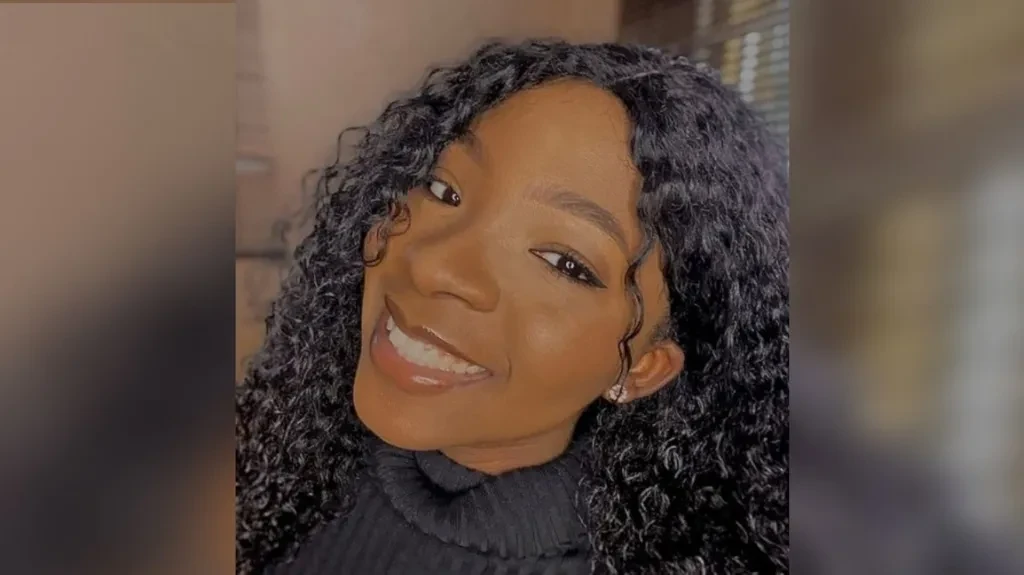
Ահա հոդվածը թարգմանության համար: վերնագիր՝ [ Aspiring Nigerian singer dies after being bitten by a snake] Տեքստ` [ There has been an outpouring of grief in Nigeria following the death of an aspiring singer who died on Saturday after being bitten by a snake in the capital, Abuja. Ifunanya Nwangene, 26, rose to prominence after appearing on The Voice Nigeria, the local version of the international TV singing competition, in 2021. She was known for her versatility, blending jazz, opera, classical music and soul. Videos shared on social media show a snake handler removing a snake from her apartment, as people nearby can be heard screaming: "It is a cobra!" A close friend, Sam Ezugwu, the co-founder and music director of the Amemuso Choir where she sang, told the BBC that Nwangene was a "rising star". He said she had been planning to stage her first solo concert later this year. She was also a trained architect. Hillary Obinna, another friend who sang alongside her, told the BBC he was told she had been asleep when "the snake bite woke her up". He said that two snakes were later found in the house. She first sought treatment at a nearby clinic but they did not have any antivenom so she went to a hospital. Ezugwu said he rushed to the hospital on Saturday after learning that she had been taken there. He said the hospital had one of the required antivenoms but not the other. "While they were trying to stabilise her, she could not speak but she could make hand gestures. She was struggling to breathe," he added. Ezugwu said he drove out to search for the missing antivenom but returned to find that she had died. The BBC has asked the hospital for comment. He said the entire choir went to the hospital that evening, "hoping that a miracle would happen". Obinna described Nwangene as "a very wonderful girl, she is humble – very intelligent and very talented". "Everybody is shattered. We could not sleep at night." Her death comes amid a renewed debate in Nigeria about the quality of healthcare and patient safety, following a series of allegations of medical negligence. These include the recent death of novelist Chimamanda Ngozi Adichie's 21-month-old son. The hospital in that case has denied any wr
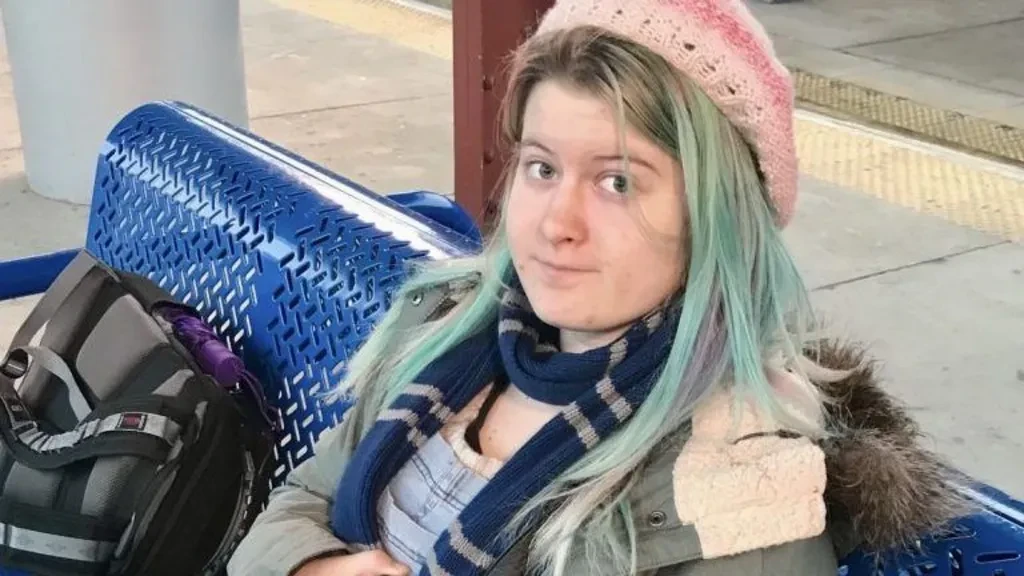
ongdoing. In response to the public outcry, Nigeria's health minister has acknowledged "systemic challenges" in the health system and announced the creation of a national task force on "clinical governance and patient safety". Most snake bite victims in Nigeria are believed to live in rural areas and many Nigerians are shocked at Nwangene's death in an upmarket part of the capital. The World Health Organization (WHO) says venomous snakebites are a neglected public health issue in many tropical and subtropical countries. In Africa, between 435,000 and 580,000 snakebites requiring treatment are recorded each year, according to the WHO. The burden falls mainly on women, children and farmers in rural communities, where health systems are weakest and medical resources limited. Those bites cause about 30,000 deaths annually in sub-Saharan Africa, though some estimates suggest the real number is much higher. Experts say the shortage of antivenom is a major reason the scale of the problem is hard to assess. It leads many bite victims to seek care from traditional healers, meaning cases often go unrecorded. Even where antivenom is available, it is often too expensive, and storage is difficult because most antivenoms require refrigeration in areas with unreliable electricity. Go to BBCAfrica.com for more news from the African continent. Follow us on Twitter @BBCAfrica, on Facebook at BBC Africa or on Instagram at bbcafrica ] ՆԻԳԵՐԻԱՅՈՒՄ ԵՐԻՏԱՍԱՐԴ ԵՐԳՉՈՒՀԻՆ ՄԱՀԱՑԱՎ ՕձԻ ԽԱՅԹԻՑ ԱԲՈՒՋԱՅՈՒՄ Նիգերիայում մեծ վիշտ ու ցավ է տիրում՝ կապված 26-ամյա երիտասարդ երգչուհի Իֆունանյա Նվանգենեի ողբերգական մահվան հետ։ Նա մահացել է շաբաթ օրը Աբուջայում օձի խայթից ստացած վնասվածքի հետևանքով։ Իֆունանյան ճանաչում էր ձեռք բերել 2021 թվականին՝ հանդես գալով The Voice Nigeria հեռուստամրցույթում։ Նա առանձնանում էր բազմակողմանիությամբ՝ հմտորեն միաձուլելով ջազը, օպերան, դասական երաժշտությունն ու սոուլը։ Սոցիալական ցանցերում տարածված տեսանյութերում երևում է, թե ինչպես է օձաբուժը հանում օձը նրա բնակարանից, իսկ շրջապատողները ճչում են. «Կոբրա է, կոբրա՛»։ «Amemuso Choir» երգչախմբի համահիմնադիր և երաժշտական ղեկավար Սեմ Էզուգուն, ով մտերիմ ընկերն էր, BBC-ին ասել է, որ Իֆունանյան «ծագող աստղ» էր։ Նա պատրաստվում էր այս տարի անցկացնել իր առաջին անհատական համերգը։ Կրթությամբ ճարտարապետ էր։ Մեկ այլ ընկեր՝ Հիլարի Օբիննան, պատմել է, որ Իֆունանյանը քնած էր, երբ օձի խայթը արթնացրել էր նրան։ Հետագայում տանը հայտնաբերվել է ևս մեկ օձ։ Նա նախ մոտակա կլինիկա է դիմել, սակայն այնտեղ հակաթույն չի եղել, ուստի տեղափոխվել է հիվանդանոց։ Ըստ Էզուգուի՝ հիվանդանոցում եղել է մեկ տեսակի հակաթույն, բայց պակասում էր մյուսը։ «Քանի որ փորձում էին կայունացնել նրա վիճակը, նա չէր կարողանում խոսել, բայց ձեռքերով նշաններ էր անում։ Շնչառությունը ծանր էր»,- պատմել է ընկերը։ Ինքը մեքենայով դուրս է եկել՝ փնտրելու բացակայող հակաթույնը, սակայն վերադառնալիս արդեն ուշ էր։ Իֆունանյան մահացել էր։ BBC-ն հարցում է ուղարկել հիվանդանոցին։ Այդ երեկո ամբողջ երգչախումբը գնացել է հիվանդանոց՝ հույս ունենալով հրաշքի։ Հիլարի Օբիննան ասել է. «Նա հրաշալի աղջիկ էր՝ խոնարհ, խելացի, անչափ տաղանդավոր։ Բոլորս կործանված ենք։ Գիշերները չենք կարողանում քնել»։ Իֆունանյայի մահը վերաթարմացրել է Նիգերիայում առողջապահության որակի և հիվանդների անվտանգության վերաբերյալ քննարկումները՝ հատկապես վերջին շրջանի բժշկական անփութության մեղադրանքների ֆոնին։ Այդ համատեքստում հիշատակվում է նաև գրող Չիմամանդա Նգոզի Ադիչիի 21 ամսական որդու մահը, որի դեպքում հիվանդանոցը մերժել է մեղադրանքները։ Հա
նրային բուռն արձագանքից հետո Նիգերիայի առողջապահության նախարարը խոստովանել է առողջապահական համակարգի «համակարգային խնդիրները» և հայտարարել է «կլինիկական կառավարման և հիվանդների անվտանգության» հարցերով ազգային խմբի ստեղծման մասին։ Նիգերիայում օձի խայթերից տուժողների մեծ մասը գյուղական բնակիչներ են, ուստի Իֆունանյայի մահը Աբուջայի հեղինակավոր թաղամասում շատերին սարսափելիորեն զարմացրել է։ Համաձայն Համաշխարհային առողջապահական կազմակերպության (ՀԱԿ) տվյալների՝ արևադարձային և մերձարևադարձային երկրներում թունավոր օձերի խայթը համարվում է անտեսված հանրային առողջության խնդիր։ Աֆրիկայում տարեկան գրանցվում է 435,000–580,000 խայթ, որոնք բուժման կարիք ունեն։ Խնդրի ծանրությունը հիմնականում ընկնում է գյուղական համայնքների կանանց, երեխաների և ֆերմերների վրա՝ այնտեղ առողջապահական համակարգի թուլության և ռեսուրսների սակավության պատճառով։ Ենթասահարական Աֆրիկայում օձի խայթերից տարեկան մահանում է մոտ 30,000 մարդ, սակայն որոշ գնահատականներով իրական թիվը շատ ավելի մեծ է։ Փորձագետները նշում են, որ հակաթույնի պակասը խոչընդոտում է խնդրի իրական մասշտաբների գնահատմանը։ Շատերը դիմում են ավանդական բուժիչների, ինչի պատճառով դեպքերը հաճախ չեն գրանցվում։ Նույնիսկ երբ հակաթույնը առկա է, այն հաճախ չափազանց թանկ է, իսկ պահպանումը դժվար՝ էլեկտրամատակարարման անկայունության պայմաններում սառնարանային պահպանման անհրաժեշտության պատճառով։ Ավելի շատ նորություններ Աֆրիկայից՝ BBCAfrica.com կայքում։ Թարգմանվել է ԱԲ-ի միջոցով։