«Դուրիանի Հերմեսը». Չինաստանի միլիարդանոց ախորժակի շնորհիվ ծաղկող շքեղ միրգը
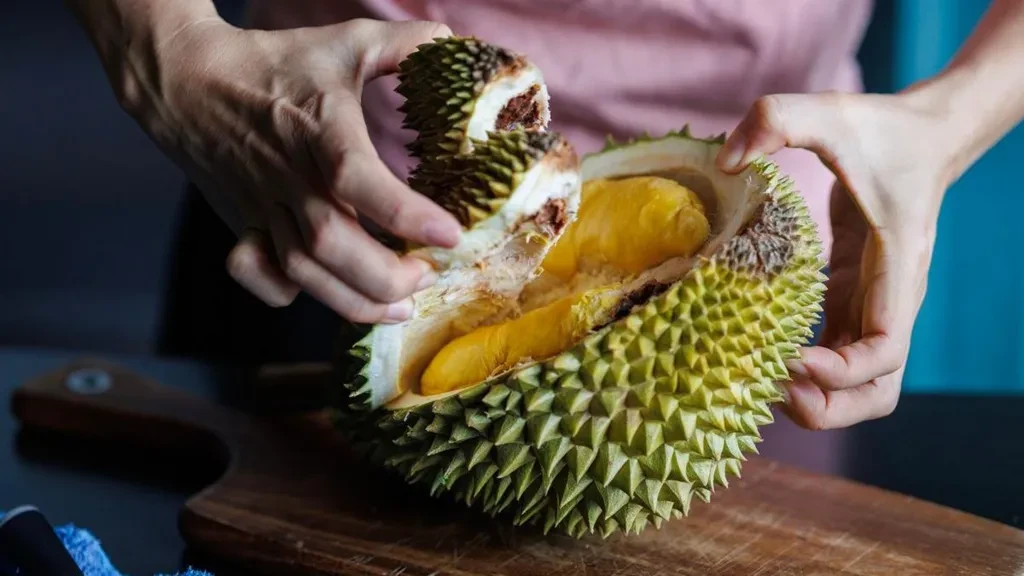
Ահա հոդվածը թարգմանության համար: վերնագիր՝ [ 'Hermès of durian': The luxury fruit cashing in on China's billion-dollar appetite] Տեքստ` [ Driving around Raub, a small town in Malaysia, it's impossible to miss the prickly fruit that powers its economy. You can smell it from the steady stream of trucks winding through mountain roads, leaving a faint fragrance on their trails. You can see it too: the green spikes of a giant sculpture, murals painted fondly on low walls and road signs that proclaim: "Welcome to the home of Musang King durians." A gold mining town in the 19th Century, Raub has seen its economy take on a new hue of yellow in recent years. Today it's better known as the land of the Musang King — a buttery, bittersweet variety that the Chinese have dubbed the "Hermès of durians", as prized as the French fashion house. Raub is one of many South East Asian towns that sit at the heart of a global durian rush, pumped by China's growing demand. In 2024, China imported a record $7bn (£5.2bn) worth of durians — a three-fold increase from 2020. This is where more than 90% of the world's durian exports are now headed. "Even if only 2% of Chinese people want to buy durians, that's more than enough business," says Chee Seng Wong, factory manager of Fresco Green, a durian exporter in Raub. Wong recalls how farmers cut down durian trees to make room for oil palms, the country's main cash crop, during an economic downturn in the 1990s. "Now it's the other way round. They're chopping oil palms to grow durians again." With an aroma that has been likened to cabbage, sulphur and sewers — depending on who the nose belongs to — the durian packs a pungence so divisive that it's banned on some public transport and hotels. It has been maligned for gas leaks, and was the reason a plane was grounded after passengers remonstrated against the smell wafting from the cargo hold. Fans from the region have christened it the "King of fruits", but on the internet it has earned a less flattering tag — the world's smelliest fruit — as tourists unused to its odour seek it out with squeamish curiosity. Yet it has found a growing fanbase in China: as an exotic gift exchanged among the affluent; a status symbol to be unboxed on social media; and the star of culinary heresies from durian chicken hotpot to durian pizza. Thailand and Vietnam are the top durian suppliers to China, accounting for nearly all of its imports. Malaysia's share of the market is sprouting fast, having earned a reputation with premium varieties such as the Musang King. The average price of durian starts at less than $2 (£1.4) in South East Asia, where they are grown in abundance. But luxe versions like the Musang King could cost anywhere from $14 (£10) to $100 (£74) a pop, depending on their quality and the season's harvest. "Once I ate Malaysian durian, my first thought was, 'Wow, this is delicious. I have to find a way to bring it to China'," says Xu Xin, who has been sampling durians at a shop in Raub. The 33-year-old sells the fruit back home in northeastern China, and is on the hunt for the best durians to import. With her are two durian exporters from southern China, one of whom says business has been booming. The other expects it to continue: "There are so many people who haven't eaten it yet. The market potential is huge." It's easy to see why they're so confident. Seated nearby is a large Chinese tour group — one of many that have been flocking to rural Malaysia for a bite of the fruit. Eagerly they dig into platters of durian, carefully arranged from the mildest to the richest. If eaten in the right order, locals say, fresh notes should emerge with each glob on the flight: caramel, custard and finally, an almost alcoholic bitterness heralding the Musang King. Such pedantry is perhaps why Malaysian durians have earned a special place on the Chinese table. "Maybe in the beginning we only liked durians that were sweet. But now we look for things like fragrance, richness and nuanced flavours," Xu says. "Nowadays there are more customers who walk into the shop and ask, 'Are there any bitter ones in this batch?'" Just hours before the durians ended up on Xu's plate, they were painstakingly harvested at a nearby farm owned by Lu Yuee Thing. Uncle Thing, as he's known in town, owns the durian shop, along with several farms. He is one of many success stories in Raub, where durians have made millionaires out of farmers. In family businesses like his, sons often help with transporting durians while daughters handle accounting and the finances. "Durian has contributed a lot to the economy here," Uncle Thing says. Driving to his farm one morning, there is quiet pride in his voice as he points out the Japanese pickup trucks that have replaced the rickety jeeps he used to rely on for transporting crates of his fruit. Still, farming is hard work. At 72, Uncle Thing wakes up at dawn every day and weaves around his hilly farm to collect ripened durians, either dangling from trees or nestling on nets close to the ground. A couple of years ago, a falling durian landed on his shoulde

r, leaving him with a throbbing pain that acts up now and then. "It looks like farmers make easy money. But it's not easy," he says. Once harvested, the durians are brought to Uncle Thing's shop, where they are sorted into baskets ranging from Grade A, for the large and round ones, to Grade C, the small and odd-shaped. Sitting in the middle of the sorting floor is a lone basket reserved for Grade AA durians, the handsomest of the lot. Those will soon be flown to China. China's insatiable appetite for durians has shaped up to be a nifty diplomatic tool. Beijing has signed a flurry of durian trade agreements, touting them as a celebration of bilateral ties — not just with major producers like Thailand, Vietnam and Malaysia, but also budding suppliers like Cambodia, Indonesia, Philippines and Laos. "In this durian competition, everyone's a winner," declared a state media article in 2024. The deals also dovetail with China's investments in infrastructure in the region. The China-Laos Railway, launched in 2021, now transports more than 2,000 tonnes of fruit every day, most of them Thai durians. But this clamour to keep up with China's appetite comes at a cost. Food safety concerns about Thai durians erupted last year, after Chinese authorities found in them a carcinogenic chemical dye believed to make the durians more yellow. In Vietnam, many coffee farmers pivoted to durians, driving up global coffee prices that were already affected by severe weather. And in Raub, a turf war has broken out. Authorities felled thousands of durian trees they said were planted illegally on state land. Farmers say they have been using the land for decades without any issue, and allege they are now being forced to pay a lease to continue farming there, or face eviction. Meanwhile, a coup may be on the way in China's island province of Hainan, where years of trial and error are bearing fruit. Its durian harvest for 2025 was expected to reach 2,000 tonnes. Like in so many industries, from renewables to AI, China has long pushed to be self-sufficient in food too. Even as it reaps the fruits of this durian diplomacy, it is eyeing what state media calls "durian freedom". "For one thing, we won't have to rely on Thai and Vietnamese vendors when buying durians anymore!" proclaimed an article in August. That is still a distant dream. Hainan's first home-grown durians hit the market with much fanfare in 2023, but accounted for less than 1% of China's durian consumption that year. But the way Uncle Thing sees it, "Hainan has already succeeded in its experiment... If they have their own supply and start importing less, our market will be affected." He shrugs it off for now: "That is not something we can worry about. All that we can do is take good care of our farms and boost yields." Ask anyone else in Raub about Hainan's quest, and your question will be swatted away with a smug comeback: they are still no match for Malaysian durians. And yet, as China chases "durian freedom", it's hard to ignore the fact that the Musang King sits on an ever shakier throne. ] «Դուրիանի Հերմեսը». Չինաստանի միլիարդանոց ախորժակի շնորհիվ ծաղկող շքեղ միրգը Մալայզիայի փոքրիկ Ռաուբ քաղաքով անցնելիս անհնար է չնկատել այն փշոտ միրգը, որը վարում է տեղի տնտեսությունը։ Դրա հոտն է առաջինը զգացվում՝ բեռնատարների անընդհատ հոսքը լեռնային ճանապարհներով անցնելիս թողնում է թույլ, բայց համառ բույր։ Տեսնում ես նաև՝ հսկայական քանդակի կանաչ փշերը, պատերի վրա սիրով նկարված որմնանկարներ և ճանապարհային նշաններ, որոնց վրա գրված է. «Բարի գալուստ Մուսանգ Քինգ դուրիանի տուն»։ XIX դարում ոսկու հանքարդյունաբերական քաղաք հանդիսացած Ռաուբն այսօր նոր գույն է ստացել՝ դեղին։ Այժմ այն առավել հայտնի է որպես Մուսանգ Քինգի երկիր՝ կարագային, թեթևակի դառը համով սորտ, որը չինացիները անվանել են «դուրիանի Հերմես»՝ Ֆրանսիական նորաձևության տանը համարժեք արժեքով։ Ռաուբը Հարավարևելյան Ասիայի բազմաթիվ բնակավայրերից մեկն է, որոնք հայտնվել են համաշխարհային դուրիանի մրցավազքի կենտրոնում՝ պայմանավորված Չինաստանի աճող պահանջարկով։ 2024 թվականին Չինաստանը ռեկորդային՝ 7 մլրդ դոլարի (մոտ 5,2 մլրդ ֆունտ) դուրիան է ներմուծել՝ 2020 թվականի համեմատ եռապատկելով ծավալները։ Այժմ աշխարհի դուրիանի արտահանման ավելի քան 90%-ը ուղղվում է հենց այնտեղ։ «Եթե չինացիների ընդամենը 2%-ն էլ ցանկանա դուրիան գնել, դա արդեն բավական է մեծ բիզնեսի համար», — ասում է Ռաուբի դուրիանի արտահանող Fresco Green ընկերության գործարանի ղեկավար Չի Սենգ Վոնգը։ Նա հիշում է, թե ինչպես 1990-ականների տնտեսական անկման ժամանակ ֆերմերները կտրում էին դուրիանի ծառերը՝ տեղը զիջելով յուղային արմավենիներին՝ երկրի հիմնական դրամական մշակաբույսին։ «Հիմա հակառակն է՝ կտրում են արմավենիները, որ նորից դուրիան աճեցնեն»։ Հոտը, որը համեմատում են կաղամբի, ծծմբի կամ կոյուղու հետ (կախված է քթից), դուրիանն այնքան սուր է, որ արգելված է որոշ հասարակական տրանսպորտում և հյուրանոցներում։ Նրա պատճառով ինքնաթիռ էր կանգնեցվել, երբ ուղևորները բողոքել էին բեռնախցիկից տարածվող հոտից։ Տարածաշրջանում այն անվանում են «մրգերի թագավոր», սակայն համացանցում ավելի անշնորհք անուն ունի՝ «աշխարհի ամենահոտոտ միրգը»։ Բայց Չինաստանում այն գնալով ավելի շատ երկրպագուներ է գտնում՝ որպես էկզոտիկ նվեր հարուստների շրջանակում, սոցիալական ցանցերում unboxing-ի առարկա և խոհարարական անսովոր համադրությունների աստղ՝ դուրիանով հավի տաք կաթսայից մինչև դուրիանով պիցցա։ Չինաստան դուրիանի հիմնական մատակարարներն են Թաիլանդն ու Վիետնամը՝ կազմելով ներմուծման գրեթե ամբողջ ծավալը։ Մալայզիայի մասնաբաժինն արագորեն աճում է՝ շնորհիվ Մուսանգ Քինգի նման պրեմիում սորտերի։ Հարավարևելյան Ասիայում, որտեղ դուրիանն առատ է, միջին գինը սկսվում է 2 դոլարից պակասից։ Բայց Մուսանգ Քինգի նման շքեղ տեսակները կարող են արժենալ 14-ից մինչև 100 դոլար մեկ հատը՝ կախված որակից և եղանակից։ «Առաջին անգամ մալայզիական դուրիան համտեսելիս մտածեցի՝ «Վայ, սա համով է, պետք է գտնեմ, թե ինչպես բերել Չինաստան»», — ասում է Ռաուբի խանութում դուրիան համտեսող 33-ամյա Սյու Սինը, ով հյուսիս-արևելյան Չինաստանում վաճառում է այս միրգը և փնտրում է լավագույն տարբերակները ներմուծման համար։ Նրա կողքին երկու չին արտահանողներ են Հարավային Չինաստանից. մեկն ասում է, որ բիզնեսը ծաղկում է, մյուսը վստահ է՝ շարունակելու է. «Դեռ շատ մարդիկ կան, որ երբեք չեն համտեսել։ Շուկայի ներուժը հսկայական է»։ Դա հեշտ է տեսնել. մոտակայքում մեծ չինական տուրիստական խումբ է նստած՝ մեկը բազմաթիվ խմբերից, որոնք գալիս են գյուղական Մալայզիա՝ մի քանի կտոր համտեսելու։ Նրանք աշխույժությամբ ուտում են ափսեներով դասավորված դուրիան՝ սկսած ամենաթեթևից մինչև ամենահագեցածը։ Տեղացիների խոսքով՝ եթե ճիշտ հերթականությամբ ուտես, յուրաքանչյուր կտոր բացահայտում է նոր երանգ՝ կարամել, կրեմ, և վերջում՝ գրեթե ալկոհոլային դառնություն, որը բնորոշ է Մուսանգ Քինգին։ Հենց այսպիսի նրբություններն են մալայզիական դուրիան դարձրել չինական սեղանի հատուկ հյուրը։ «Սկզբում մենք սիրում էինք պարզապես քաղցր դուրիան, բայց հիմա փնտրում ենք բույր, հագեցվածություն, նրբերանգներ», — ասում է Սյու Սինը։ «Այժմ խանութ գալիս են հաճախորդներ և հարցնում՝ «Այս խմբաքանակում դառը կա՞»»։ Մի քանի ժամ առաջ այս դուրիանները հավաքվել էին մոտակա այգում՝ Լու Յուե Թինգին (տեղացիները կոչում են «Թաքը Թինգ») պատկանող ֆերմայում։ 72-ամյա Թինգը տիրապետում է և՛ խանութին, և՛ մի քանի այգիների։ Նա Ռաուբի հաջողության պատմություններից մեկն է՝ դուրիանը ֆերմերներից շատ

երին միլիոնատեր է դարձրել։ «Դուրիանը մեծ ներդրում է ունեցել մեր տնտեսության մեջ», — ասում է նա։ Այգի տանող ճանապարհին նա հպարտությամբ ցույց է տալիս ճապոնական պիկապները, որոնք փոխարինել են հին ջիպերին, որոնցով նախկինում տեղափոխում էր արկղերը։ Բայց ֆերմերությունը դեռ ծանր աշխատանք է։ Ամեն օր արշալույսին վեր կենալով՝ նա շրջում է բլրալանջային այգով՝ հավաքելով հասուն դուրիանները՝ կա՛մ ծառերից կախված, կա՛մ ցանցերի վրա ընկած։ Մի քանի տարի առաջ ընկած դուրիան ընկել էր ուսին՝ թողնելով երբեմն ցավող հետևանք։ «Թվում է, թե ֆերմերները հեշտ գումար են վաստակում, բայց դա այդպես չէ», — ասում է նա։ Հավաքից հետո դուրիանները տեղափոխվում են խանութ, որտեղ դասակարգվում են՝ Grade A (մեծ ու կլոր), Grade C (փոքր ու անհարմար ձևով)։ Կենտրոնում միայնակ կանգնած է Grade AA-ի զամբյուղը՝ ամենագեղեցիկները։ Շուտով դրանք կթռչեն դեպի Չինաստան։ Չինաստանի անհագ ախորժակը դուրիանի նկատմամբ դարձել է նաև հմուտ դիվանագիտական գործիք։ Պեկինը մեկը մյուսի հետևից ստորագրում է դուրիանի առևտրային համաձայնագրեր՝ ներկայացնելով դրանք որպես երկկողմ հարաբերությունների տոն՝ Թաիլանդի, Վիետնամի, Մալայզիայի հետ, ինչպես նաև Կամբոջայի, Ինդոնեզիայի, Ֆիլիպինների և Լաոսի հետ։ «Այս դուրիանի մրցակցությունում բոլորն են հաղթում», — գրել էր պետական լրատվամիջոցը 2024-ին։ Այս գործարքները համընկնում են նաև Չինաստանի տարածաշրջանային ենթակառուցվածքային ներդրումների հետ։ Չին-լաոսյան երկաթուղին, որը գործարկվել է 2021-ին, այժմ ամեն օր տեղափոխում է ավելի քան 2000 տոննա միրգ՝ հիմնականում թաիլանդական դուրիան։ Բայց Չինաստանի ախորժակին համապատասխանելու մրցավազքն ունի իր գինը։ Անցյալ տարի Թաիլանդից դուրիաններում հայտնաբերվել էր քաղցկեղածին ներկանյութ, որը, ենթադրաբար, դրանք ավելի դեղին է դարձնում։ Վիետնամում շատ սուրճագործներ անցել են դուրիանի մշակմանը՝ էլ ավելի բարձրացնելով համաշխարհային սուրճի գները։ Իսկ Ռաուբում բռնկվել է հողային պատերազմ. իշխանությունները կտրել են հազարավոր դուրիանի ծառեր՝ պնդելով, որ դրանք աճեցվել են պետական հողերում առանց թույլտվության։ Ֆերմերները պնդում են, որ տասնամյակներ շարունակ օգտագործել են այդ հողերը առանց խնդիրների և այժմ ստիպված են վարձավճար վճարել կամ դուրս գալ։ Մինչդեռ Չինաստանի Հայնան կղզում սկսվել է իրական «հեղափոխություն». 2025-ի բերքը սպասվում է 2000 տոննա։ Ինչպես վերականգնվող էներգիայի ու արհեստական բանականության ոլորտներում, Չինաստանը ձգտում է սննդի ինքնաբավության։ Պետական լրատվամիջոցը գրում է «դուրիանի ազատության» մասին. «Այլևս ստիպված չենք լինի կախված լինել թաիլանդական և վիետնամական վաճառողներից»։ Դեռ հեռու երազանք է. 2023-ին Հայնանի առաջին տեղական դուրիանները շուկա դուրս եկան մեծ աղմուկով, սակայն կազմեցին Չինաստանի սպառման 1%-ից պակասը։ Բայց Թինգի կարծիքով՝ «Հայնանն արդեն հաջողությամբ ավարտել է փորձը… Եթե իրենք ունենան սեփական մատակարարում և սկսեն ավելի քիչ ներմուծել, մեր շուկան կտուժի»։ Նա հանգիստ թոթվում է ուսերը. «Դրա մասին հիմա անհանգստանալու կարիք չկա։ Մենք կարող ենք միայն լավ խնամել մեր այգիները և բարձրացնել բերքատվությունը»։ Ռաուբում Հայնանի մասին հարցնելիս ստանում ես ինքնավստահ պատասխան՝ նրանք դեռ չեն կարող մրցել մալայզիական դուրիանի հետ։ Եվ այնուամենայնիվ, քանի որ Չինաստանը հետապնդում է «դուրիանի ազատությունը», Մուսանգ Քինգի գահն ավելի ու ավելի անկայուն է թվում։ Թարգմանվել է ԱԲ-ի միջոցով։