Սըր Էնթոնի Հոփքինս. Կյանքը հրաշք է
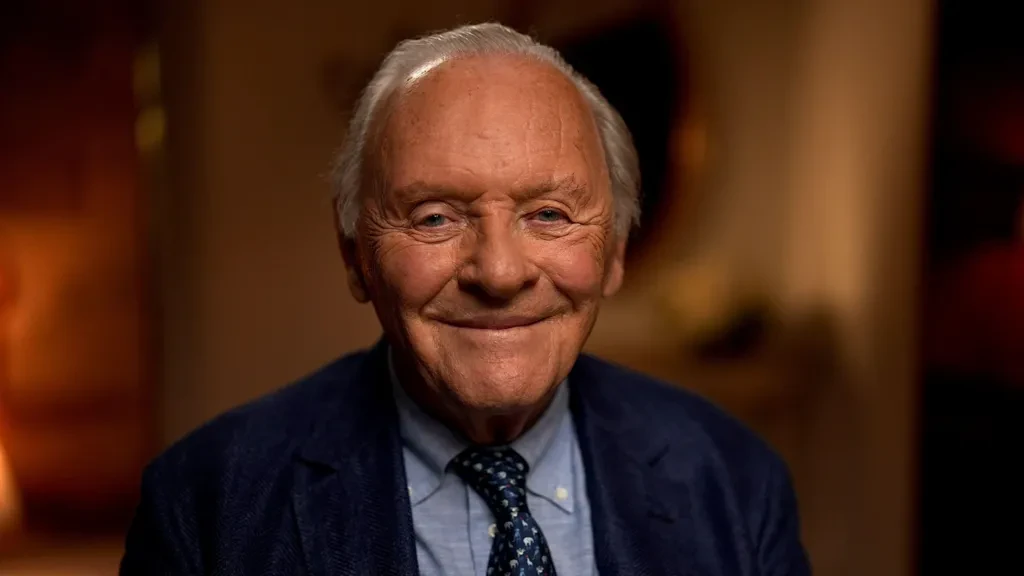
Ահա հոդվածը թարգմանության համար: վերնագիր՝ [ Sir Anthony Hopkins: It's such a miracle being alive] Տեքստ` [ Not many people can say they've been given a private piano recital by Sir Anthony Hopkins. But that's exactly what happened when our four-strong BBC team went to interview the double Oscar-winning actor in Los Angeles. We were in the same room as the man who terrified as Hannibal Lecter in The Silence of the Lambs, shattered as a butler in The Remains of The Day and devastated as a dad with dementia in The Father. An actor who was cast by Oliver Stone as President Nixon because - according to Sir Anthony - the director said "you're nuts like Nixon". At a grand piano in a hotel in Beverly Hills, as he plays us a piece he calls Goodbye, it's clear an artistic soul exudes from his every pore. Haunting notes of music, lines of poetry and Shakespearean verses cascade out of him. We were meeting because Sir Anthony's publishing his autobiography, We Did OK, Kid, an honest and at times upsetting account of a loner who was bullied and written off as a child in Wales and became one of Britain's finest acting exports. He puts his success down to sheer luck, telling me: "I couldn't take credit for any of it, I couldn't have planned any of this - and now at 87, about to turn 88, I get up in the morning and I think, 'Hello, I'm still here,' and I still don't get it." From the outside, it looks less about luck and more about his deep understanding of human emotion, as his performances testify. I ask what makes him such an instinctive actor. "It's such a miracle being alive," he says. He finds the complexity of human beings "fascinating... I mean, how can you produce Beethoven, Bach and then Treblinka and Auschwitz?" Sir Anthony has always understood the duality of being human, and it explains his acting range. He got his first break on film when the actor Peter O'Toole suggested he audition for the 1968 movie The Lion in Winter, in which O'Toole was playing Henry II. At that point, Sir Anthony had been a member of Sir Laurence Olivier's National Theatre company for several years. But, he recalls: "I couldn't fit into the British theatre style, I just felt out of it." He also "didn't want to be standing on stage holding a spear for the rest of my life, in wrinkled tights, I just wanted to have a bit of a life". He was cast as Richard the Lionheart and couldn't believe that a baker's son from Port Talbot was working with Katharine Hepburn. The actress, playing his mother Eleanor of Aquitaine, gave him "the best advice I've had" as they rehearsed their first scene together. She told him to "just speak the lines... Don't act, just do it". She also said he was "real good". Hepburn was right, of course. Some classically trained theatre actors, particularly back then, didn't appreciate how much they needed to adjust their performance for the intimacy of a camera. He did. He doesn't much care for talking about the craft of acting, or certainly the reverence there can be around it, but he shares his method with me: "Be still. Be economic. Don't act or twitch around, you know, 'showing off' acting... simplify, simplify, simplify'." His performances stand out because he's an actor of huge emotional depth and psychological insight. Think of him as Dr Treves, the friend and protector of John Hurt's Elephant Man. Or as Lecter, still for me the most terrifying of characters more than 30 years on. The serial killer is a monster but Sir Anthony understood that less is more, on screen. Instead of playing Lecter as obviously monstrous, "you go the opposite way, you draw back", he explains. He realised as soon as he had read a few pages of the script that the role was "a life-changer". He writes in his memoir that he "instinctively sensed how to play Hannibal. I have the devil in me. We all have the devil in us, I know what scares people". He tells me he played Lecter still - and deadly. So when he was in character opposite other actors, he decided, "Don't take your eyes off the person. That's terrifying." He puts on Lecter's metallic rasp for me and appears to enjoy repeating his character's words to Jodie Foster's Clarice. "You're not real FBI," he almost hisses. "That's scary," he says. He's not wrong. Even in an upmarket LA hotel on a warm autumn afternoon, I'm feeling chilled. And what about the famous line - "I ate his liver with some fava beans and a nice Chianti", which he follows with that vampire-like hiss? He explains as a child he'd seen the Hungarian-American actor Bela Lugosi do the same when playing Count Dracula in the 1931 movie. Sir Anthony decided in the moment of filming to copy it and The Silence of the Lambs director, Jonathan Demme, kept it in. What is startling about the memoir is the disconnect between how the world viewed the young actor and how much it was clearly missing about him. He was bullied at school for what other kids saw as his large "elephant" head. He was slapped around by teachers who deemed him a complete dunce. Even his parents pretty much wrote him off. He believes it was the making of him. It "gave me a core of anger, resentment and revenge", he says. But why hadn't they all noticed his talents? This was a child who was given the 10 volume Children's Encyclopaedia when he was six ("I was so captivated, I read every one of them") and became fascinated by astronomy. A boy who played the piano, made art and loved Dickens and Shakespeare, quoting from them extensively. A school report in 1955 when he was 17 marked "the turning point" in his life. It was terrible, as usual. "What's going to happen to you?" Sir Anthony recalls his father lamenting. "I said: 'One day, I'll show you, both of you'." He's pleased his parents lived long enough to see him succeed. When he won his first best actor Oscar, for The Silence of the Lambs in 1992, 11 years to the day after his father died, he rang his mother in Wales and said: "I guess I did OK." But it was a rough ride in the early days. He was an alcoholic who picked fights with directors and others. He wasn't always a good husband to his first two wives. Booze turned him nasty. "That's the ugly side of alcoholism," he writes. "It brought out a brutal side of me. I'm not proud of it at all." The anger, he believes, came "from inside, my own insecurities, being bullied at school and all the rest of it. I didn't like authority". Then one night in LA in December 1975, almost 50 years ago, he drove his car while in "a complete alcoholic blackout". When he came to, he realised that he was "out of control" and could have killed someone. He made a phone call to ask for help. "Suddenly, something said 'it's all over, now you can start living'... the craving left and it's never come back." At his first meeting of Alcoholics Anonymous, he had a realisation about everyone else in the room. "They're all misfits like me. Like all of us. We feel we never belong. We feel self-hatred. All of us are the same. I'm not alone." It's that feeling of disconnection that shines out of the book. He writes that his wife Stella believes he is on the autism spectrum which is "likely right, given my proclivity for memorisation and repetition... and my lack of emotionality" but he says he prefers the term "cold fish". I want to know why. It seems to have begun as a reaction to the bullying and screaming at him through school and National Service. "I'd just stare them out, and that drove them mad," he recalls. "You withdraw into yourself and think, 'OK you can't hurt me, can you?" It was, he says, his "only defence... and that's a power, you see: I don't care." Of course, Sir Anthony does care and we talk a little about the state of the world. It's at this point in our interview that he becomes his most passionate. He grew up in Port Talbot surrounded by people who had been impacted, even brutalised, by war. He played Sir Nicholas Winton, the man who saved hundreds of mainly Jewish children from the Nazis, in the film One Life. When I ask him about whether he worries about increasing polarisation now, he becomes very animated and intense. "The world has always been a place of utter turmoil. But I think if we go on in this way of ha
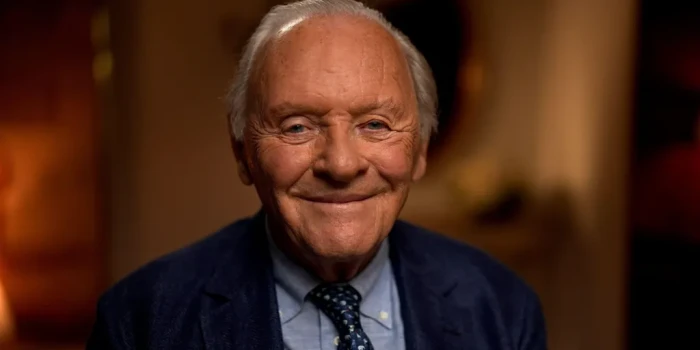
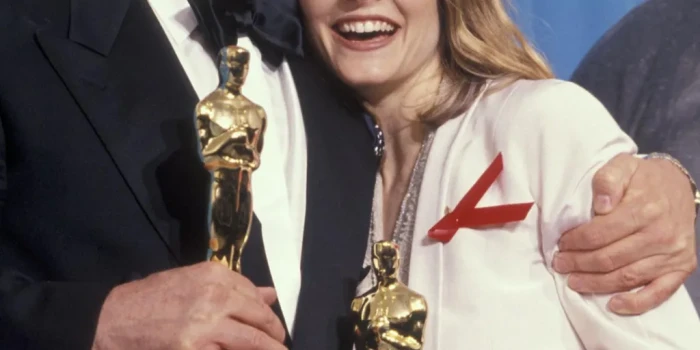
tred... we are dead. "Nobody's allowed to have an opinion. Nobody can have a different view. That's fascism. And it's insanity." If he has any advice about it all, it's to say "'Come on, stop this rubbish, beating each other up over ideas. They're only ideas and we're only going to be dead one day'." I ask him, as he looks back at his long life, what his biggest regrets are and he's quick to answer. "People I've hurt over the years, the stupid things I did." He's estranged from his only child, his daughter Abigail, who he walked out on when she was just one and he was in the depths of alcoholism. He writes that "after realising I was unfit as a father for Abigail, I vowed not to have any more children... I couldn't do to another child what I'd done to her". He has tried to repair their relationship over the years. When he took on the role of King Lear in his 80s, in Sir Richard Eyre's 2018 film, Lear's words to his daughter Cordelia struck a painful chord. He writes in his new book: "The line that hit me harder than perhaps any other I've ever spoken was 'I did her wrong'. Saying those words, I felt deeply, perhaps for the first time in my life, how I had hurt my own daughter. "I remembered how as a baby she'd lit up when I walked into the room. I remembered how I said goodbye to her the night I walked out. I remembered how I had tried and failed to win her back later. I remembered how I had given up. And as Lear, but also as myself, I began to cry." He didn't want to talk about it in our interview. Poignantly, in this section of the book, he writes: "I hope my daughter knows that my door is always open to her." I couldn't help feeling moved reading this. It's as if he is trying to send a message to her, hoping against hope that there might be a reconciliation before it is too late. At 87, he is looking back, aware he has lived many years longer than he has left to live. "Most of my friends have died, they're gone, God bless them," he says. "I hope to be around a little longer. But even that, I'm thinking, 'oh well, I had a good time'." He certainly still appears to be having fun. After some early reserve when we first met, he quickly relaxed. When he played the piano, he shared how he had lost two much-loved pianos when his house burnt down in the LA fires earlier this year. "They were all under the rubble". As we walked through the hotel lobby together, he was spotted by guests and waved happily to them. "I like to say hi because people think actors are special. We're not at all," he smiles. Whatever he says, it was special to spend a few hours in his presence. He's an acting legend who's given us six decades of memorable performances. He's also a genuine heavyweight who is steeped not just in musical knowledge, but culture, history and philosophy. And we end the interview on a philosophical note - as he recites "They are not long, the days of wine and roses" from an Ernest Dowson poem and muses on the fleeting nature of life. "What are we doing here, what are we?" he asks. "We can't explain anything about ourselves. We may have fancy ideas, religious ideas, philosophical ideas, scientific ideas... what's that all about? We're nothing finally, and yet we're everything". We Did OK, Kid by Sir Anthony Hopkins is published on 4 November. ] Սըր Էնթոնի Հոփքինս. Կյանքը հրաշք է Քչերին է տրված լսել Սըր Էնթոնի Հոփքինսի անձնական դաշնամուրային կատարումը: Սակայն հենց դա տեղի ունեցավ, երբ BBC-ի չորս հոգանոց թիմը Լոս Անջելեսում հարցազրույց վերցրեց կրկնակի «Օսկար» մրցանակակիր դերասանից: Մենք նույն սենյակում էինք այն մարդու հետ, ով սարսափեցրեց որպես Հաննիբալ Լեկտեր «Գառանների լռություն» ֆիլմում, ջարդվեց որպես ծառայող «Օրվա մնացորդները»-ում և ավերվեց որպես դեմենցիայով տառապող հայր «Հայր»-ում: Դերասան, ում Օլիվեր Սթոունը ընտրեց Նիքսոն նախագահի դերի համար, քանի որ, Հոփքինսի խոստովանությամբ, ռեժիսորը ասել էր. «Դու խելագար ես, ինչպես Նիքսոնը»: Բևերլի Հիլզի հյուրանոցի մեծ դաշնամուրի մոտ նա կատարում է իր «Հրաժեշտ» ստեղծագործությունը: Արվեստագետի հոգին ճառագայթում է նրա ամեն շարժումից: Հնչում են հուզիչ նոտաներ, բանաստեղծություններ և շեքսպիրյան տողեր: Հանդիպումը կապված էր նրա ինքնակենսագրության՝ «Լավ ստացվեց, երեխա» գրքի հետ: Այնտեղ անկեղծորեն և երբեմին ցավալիորեն նկարագրված է Ուելսի միայնակ տղայի ճակատագիրը, ում ծաղրում էին և համարում անհույս: Նա դարձավ Բրիտանիայի լավագույն դերասանական արտահանումներից մեկը: Հաջողությունը նա վերագրում է զուտ բախտին. «Ես չեմ կարող վերցնել որևէ վաստակ, ոչինչ չէի պլանավորել: Հիմա, 87 տարեկանում, շուտով 88-ի, արթնանում եմ և մտածում. «Բարև, ես դեռ այստեղ եմ», և դեռ չեմ հասկանում»: Դրսից թվում է՝ ոչ թե բախտ, այլ մարդկային հույզերի խոր գիտակցում: Հարցնում եմ, թե ինչն է նրան դարձնում այդքան բնազդային դերասան: «Կյանքը հրաշք է», - պատասխանում է նա: Մարդկային բարդությունը նրան «հետաքրքրաշարժ» է թվում. «Ինչպե՞ս կարող ենք ստեղծել Բեթհովենի, Բախի երաժշտությունը, իսկ հետո՝ Տրեբլինկան և Աուշվիցը»: Սըր Էնթոնին միշտ հասկացել է մարդու երկակիությունը, ինչը բացատրում է նրա դերերի լայն շրջանակը: Առաջին կինոբեկը եղավ 1968-ի «Ձմեռվա առյուծ» ֆիլմում, երբ Փիթեր Օ'Թուլը առաջարկեց նրան լսումներ անցնել: Այդ ժամանակ նա տարիներ շարունակ եղել էր Սըր Լոուրենս Օլիվիեի Ազգային թատրոնի անդամ: Սակայն, հիշում է. «Ես չէի տեղավորվում բրիտանական թատերական ոճի մեջ, պարզապես օտար էի»: Նա «չէր ուզում ամբողջ կյանքում կանգնել բեմում նիզակով, կնճռոտ տաբատով, ուզում էր ապրել»: Ընտրվեց Ռիչարդ Առյուծասիրտի դերով և չէր հավատում, որ Պորտ Թալբոթի հացթուխի որդին աշխատում է Քեթրին Հեփբըրնի հետ: Դերասանուհին, ով մարմնավորում էր նրա մոր՝ Ակվիտանի Էլեոնորայի դերը, տվեց «լավագույն խորհուրդը». «Պարզապես ասա տողերը... Մի՛ խաղա, պարզապես արա»: Նա նաև ասաց, որ նա «շատ լավն է»: Հեփբըրնը ճիշտ էր: Շատ դասական թատերական դերասաններ այդ ժամանակ չէին գիտակցում, թե որքան պետք է հարմարվել տեսախցիկի մտերմությանը: Նա գիտակցեց: Նա չի սիրում խոսել դերասանական արհեստի մասին, բայց կիսվում է իր մեթոդով. «Եղիր հանգիստ: Խնայող: Մի՛ խաղա, մի՛ շարժվիր, մի՛ ցուցադրվիր... Պարզեցրու, պարզեցրու, պարզեցրու»: Նրա կատարումները առանձնանում են հուզական խորությամբ և հոգեբանական խորաթափանցությամբ: Հիշեք նրան որպես դոկտոր Թրևես՝ Ջոն Հերթի «Փղի մարդու» ընկեր և պաշտպան: Կամ Լեկտեր՝ դեռևս ամենասարսափելի կերպարը 30 տարի անց: Սերիական մարդասպանը հրեշ է, բայց Հոփքինսը հասկացավ՝ քիչը շատ է: Փոխանակ ակնհայտ հրեշ դարձնելու, «գնաց հակառակ ճանապարհով, հետ քաշվեց»: Սցենարի առաջին էջերից զգաց, որ դերը «կյանք փոխող է»: Գրքում գրում է. «Բնազդաբար զգացի, թե ինչպես խաղալ Հաննիբալին: Իմ մեջ սատանա կա: Մեզանից յուրաքանչյուրի մեջ կա, ես գիտեմ, թե ինչն է վախեցնում մարդկանց»: Ինձ պատմում է, որ խաղացել է հանգիստ և մահացու: Դերում գտնվելիս որոշել էր. «Մի՛ հանի աչքերդ զրուցակցից: Դա սարսափելի է»: Նա կրկնում է Լեկտերի մետաղական ձայնը և կարծես վայելում է Ջոդի Ֆոսթերի Կլարիսին ասված խոսքերը. «Դու իսկական FBI չես», - գրեթե սուլում է: «Դա սարսափելի է», - ասում է: Ճիշտ է: Նույնիսկ Լոս Անջելեսի շքեղ հյուրանոցում, տաք աշնանային կեսօրին, սարսուռ եմ զգում: Իսկ հայտնի տողը՝ «Ես ուտեցի նրա լյարդը ֆավա լոբիով և լավ Կիանտիով», որին հաջորդում է վամպիրային սուլոցը: Բացատրում է, որ մանկության տարիներին տեսել էր հունգարա-ամերիկացի դերասան Բելա Լուգոսիի նման սուլոցը Դրակուլայի դերում 1931-ի ֆիլմում: Նկարահանման պահին որոշել էր կրկնել, և ռեժիսոր Ջոնաթան Դեմմեն պահպանել էր: Գրքի ցնցողը երիտասարդ դերասանի մասին աշխարհի պատկերացման և իրականության անջրպետն է: Դպրոցում ծաղրում էին «փղի» գլխի համար: Ուսուցիչները ծեծում էին՝ համարելով ամբողջական անբան: Նույնիսկ ծնողները գրեթե հրաժարվել էին նրանից: Հավատում է, որ դա ձևավորեց իրեն: «Տվեց զայրույթի, դժգոհության և վրեժի միջուկ»: Բայց ինչո՞ւ ոչ ոք չնկատեց տաղանդը: Այդ երեխան վեց տարեկանում ստացել էր «Մանուկների հանրագիտարան»-ի 10 հատորները («Այնքան հմայվեցի, կարդացի բոլորը») և հետաքրքրվել աստղագիտությամբ: Տղա, ով դաշնամուր էր նվագում, արվեստ ստեղծում, սիրում Դիքենսին և Շեքսպիրին, լայնորեն մեջբերում նրանց: 1955-ին, 17 տարեկանում, դպրոցական զեկուցագիրը դարձավ «կյանքի շրջադարձ»: Սովորականի պես՝ սարսափելի: «Ի՞նչ է լինելու քեզանից», - հիշում է հոր ողբը: «Ասացի. «Մի օր ցույց կտամ ձեզ երկուսիդ»»: Ուրախ է, որ ծնողները ապրեցին հաջողությունը տեսնելու համար: Առաջին «Օսկարը»՝ «Գառանների լռություն»-ի համար 1992-ին, հոր մահից ճիշդ 11 տարի անց, զանգահարեց մորը Ուելս և ասաց. «Կարծում եմ՝ լավ ստացվեց»: Սակայն սկիզբը դժվար էր: Ալկոհոլիկ էր, կռվում ռեժիսորների և ուրիշների հետ: Վատ ամուսին էր առաջին երկու կանանց համար: Ալկոհոլը նրան դաժան էր դարձնում: «Դա ալկոհոլիզմի տգեղ կողմն է», - գրում է: «Դուրս բերեց իմ դաժան կողմը: Ընդհանրապես հպարտ չեմ»: Զայրույթը, կարծում է, «ներքին էր, իմ անվստահություններից, դպրոցում ծաղրից և այլն: Հեղինակություն չէի սիրում»: Հետո, 1975-ի դեկտեմբերին Լոս Անջելեսում, գրեթե 50 տարի առաջ, մեքենա վարեց «ալկոհոլային լիակատար անգիտակցության» մեջ: Արթնանալով հասկացավ, որ «անկառավարելի է» և կարող էր սպանել մեկին: Զանգահարեց օգնության համար: «Հանկարծ ինչ-որ բան ասաց՝ «ամեն ինչ ավարտված է, հիմա կարող ես սկսել ապրել»... ձգտումը անհետացավ և երբեք չվերադարձավ»: Ալկոհոլիկների անանունների առաջին հանդիպմանը գիտակցեց սենյակի բոլորի մասին: «Նրանք բոլորը անհարմարներ են, ինչպես ես: Ինչպես մենք բոլորս: Զգում ենք, որ չենք պատկանում: Ինքնահավանություն: Բոլորս նույնն ենք: Ես մենակ չեմ»: Այդ անջատվածության զգացումը փայլում է գրքից: Գրում է, որ կինը՝ Ստելլան, կարծում է, որ նա աուտիզմի սպեկտրում է, ինչը «հավանաբար ճիշտ է՝ հաշվի առնելով հիշողության և կրկնության հակումը... և հուզականության պակասը»: Բայց նախընտրում է «սառը ձուկ» արտահայտությունը: Հարցնում եմ՝ ինչու: Կարծես սկսվել է ծաղրից և գոռոցներից դպրոցում և զինվորական ծառայության ընթացքում: «Պարզապես նայում էի նրանց, և դա խելագարեցնում էր», - հիշում է: «Ներս ես քաշվում և մտածում. «Լավ, չե՞ս կարող վնասել ինձ»: Դա իմ միակ պաշտպանությունն էր... և դա ուժ է. ես չեմ մտածում»: Իհարկե, Սըր Էնթոնին մտածում է, և մենք խոսում ենք աշխարհի վիճակի մասին: Հենց այստեղ է նա դառնում ամենակրքոտ: Մեծացել է Պորտ Թալբոթում՝ պատերազմից տուժած, նույնիսկ դաժանացած մարդկանց շրջապատում: Մարմնավորել է Սըր Նիկոլաս Վինթոնին՝ նացիստներից հարյուրավոր հրեա երեխաներ փրկած մարդուն «Մեկ կյանք» ֆիլմում: Հարցնում եմ՝ անհանգստացնո՞ւմ է աճող բևեռացումը: Նա շատ ոգևորվում և ինտենսիվանում է: «Աշխարհը միշտ եղել է լիակատար խառնաշփոթի վայր: Բայց եթե շարունակենք ատելությամբ... մենք մեռած ենք: Ոչ ոք չի կարող կարծիք ունենալ: Ոչ ոք չի կարող տարբեր տեսակետ ունենալ: Դա ֆաշիզմ է: Եվ խելագարություն»: Եթե խորհուրդ ունի, ապա. «Եկեք, դադարեցրեք այս ապուշությունը, միմյանց ծեծել գաղափարների համար: Դրանք միայն գաղափարներ են, և մենք մի օր մեռնելու ենք»: Հարցնում եմ՝ հետ նայելով երկար կյանքին, որո՞նք են ամենամե
ծ զղջումները: Արագ պատասխանում է. «Մարդիկ, ում վիրավորել եմ տարիների ընթացքում, հիմար բաները, որ արել եմ»: Օտարված է միակ զավակից՝ դուստր Աբիգեյլից, ում թողել էր մեկ տարեկանում՝ ալկոհոլիզմի խորքում: Գրում է. «Հասկանալով, որ անպիտան հայր եմ Աբիգեյլի համար, խոստացա այլևս երեխա չունենալ... Չէի կարող մեկ ուրիշ երեխայի անել այն, ինչ արել էի նրան»: Տարիներ շարունակ փորձել է վերականգնել հարաբերությունները: 80-ականներին Լիր թագավորի դերում Սըր Ռիչարդ Էյրի 2018-ի ֆիլմում Լիրի խոսքերը դուստր Կորդելիային ցավալիորեն հնչեցին: Նոր գրքում գրում է. «Տողը, որ ավելի ուժեղ հարվածեց, քան որևէ այլ, որ ասել եմ, «Ես նրան վիրավորեցի» էր: Ասելով այդ խոսքերը՝ խորապես զգացի, թե ինչպես եմ վիրավորել իմ դստերը: Հիշեցի, թե ինչպես էր նա լույսեր տալիս, երբ մտնում էի սենյակ: Հիշեցի, թե ինչպես հրաժեշտ տվեցի այն գիշեր, երբ հեռացա: Հիշեցի, թե ինչպես փորձեցի և չկարողացա հետ բերել: Հիշեցի, թե ինչպես հանձնվեցի: Եվ որպես Լիր, բայց նաև որպես իմ անձ՝ սկսեցի լաց լինել»: Հարցազրույցում չցանկացավ խոսել դրա մասին: Հուզիչ է, որ գրքի այդ մասում գրում է. «Հույս ունեմ, որ դուստրս գիտի՝ իմ դուռը միշտ բաց է նրա առաջ»: Կարդալով՝ չկարողացա չհուզվել: Կարծես հաղորդագրություն է ուղարկում նրան՝ հույս ունենալով հաշտության մինչև ուշ լինելը: 87-ում հետ է նայում, գիտակցելով, որ ավելի շատ է ապրել, քան մնացել է: «Ընկերներիս մեծ մասը մեռել է, գնացել են, Աստված օրհնի», - ասում է: «Հույս ունեմ մի քիչ էլ մնալ: Բայց նույնիսկ դա՝ «լավ, լավ ժամանակ անցկացրի»»: Դեռ զվարճանում է: Սկզբում զուսպ էր, բայց շուտ հանգստացավ: Դաշնամուր նվագելիս պատմեց, որ այս տարի Լոս Անջելեսի հրդեհներում կորցրել է երկու սիրելի դաշնամուր. «Բոլորը փլատակների տակ էին»: Հյուրանոցի նախասրահով քայլելիս հյուրերը ճանաչեցին և ուրախ ձեռքով արեց. «Սիրում եմ բարևել, քանի որ մարդիկ կարծում են՝ դերասանները հատուկ են: Ընդհանրապես ոչ», - ժպտում է: Ինչ էլ ասի, հատուկ էր մի քանի ժամ անցկացնել նրա հետ: Դերասանական լեգենդ է, ով վեց տասնամյակ հիշարժան կատարումներ է տվել: Նաև իսկական հսկա է՝ ոչ միայն երաժշտության, այլև մշակույթի, պատմության և փիլիսոփայության մեջ: Հարցազրույցն ավարտում ենք փիլիսոփայական նոտայով՝ նա արտասանում է Էռնեստ Դոուսոնի բանաստեղծությունից. «Ոչ երկար են գինու և վարդերի օրերը» և մտորում կյանքի անցողիկության մասին: «Ի՞նչ ենք անում այստեղ, ի՞նչ ենք մենք», - հարցնում է: «Մեզանից ոչինչ չենք կարող բացատրել: Կարող ենք ունենալ գեղեցիկ գաղափարներ, կրոնական, փիլիսոփայական, գիտական... ի՞նչ է դա: Վերջում ոչինչ ենք, բայց նաև ամեն ինչ»: «Լավ ստացվեց, երեխա» գիրքը Սըր Էնթոնի Հոփքինսի կողմից հրատարակվում է նոյեմբերի 4-ին: Թարգմանվել է ԱԲ-ի միջոցով։